While divers removed ghost gear from Prokljan Lake, children in Skradin learned why protecting the ocean matters.
Global Recycling Day this year felt like a good reason to get out on the water and actually do something. So that’s exactly what WWF Adria did on 18 March in Skradin, a small Croatian town situated at the lower course of the Krka River, just before it enters the Adriatic Sea and close to Krka National Park—a protected area established to conserve the Krka River’s ecosystems.
The action was carried out within the framework of the EU NETTAG+ project, which aims to develop solutions to prevent and reduce the impacts of lost fishing gear at sea.
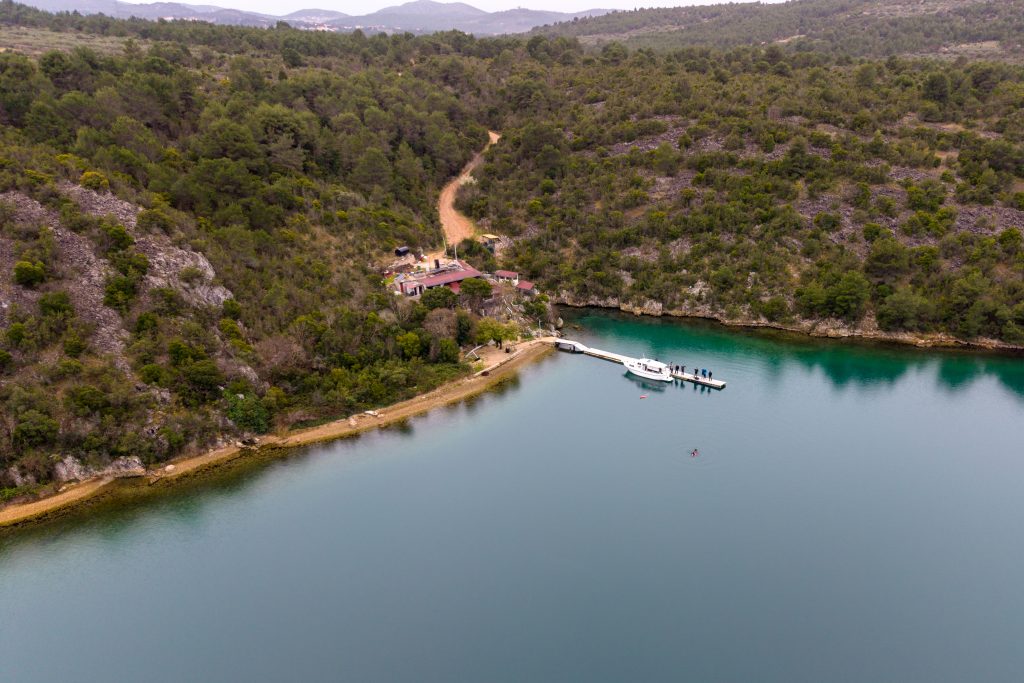
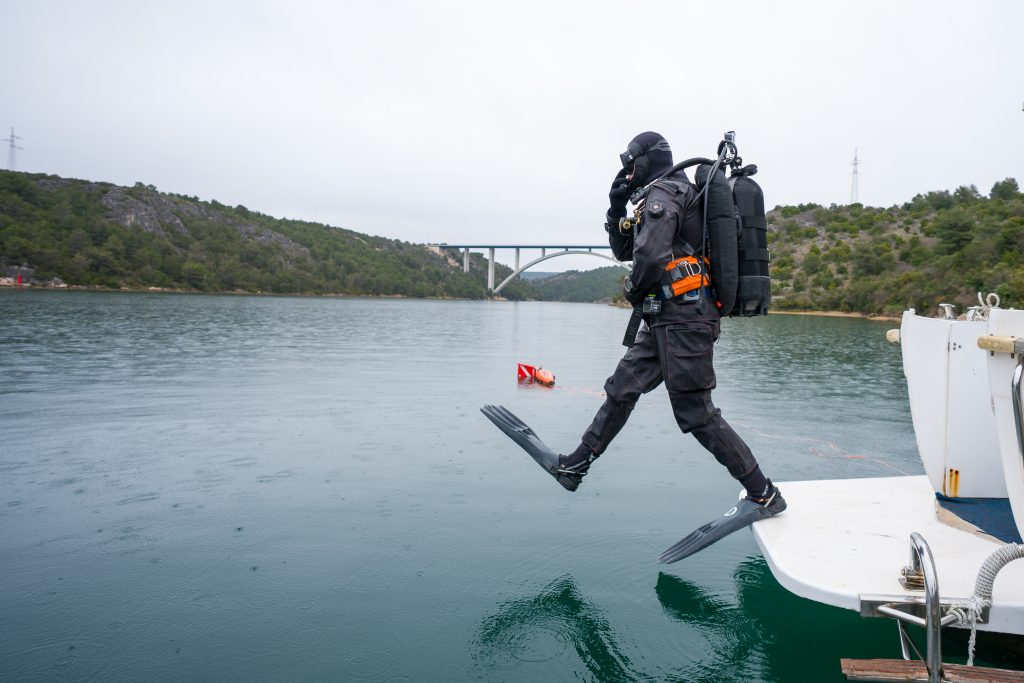
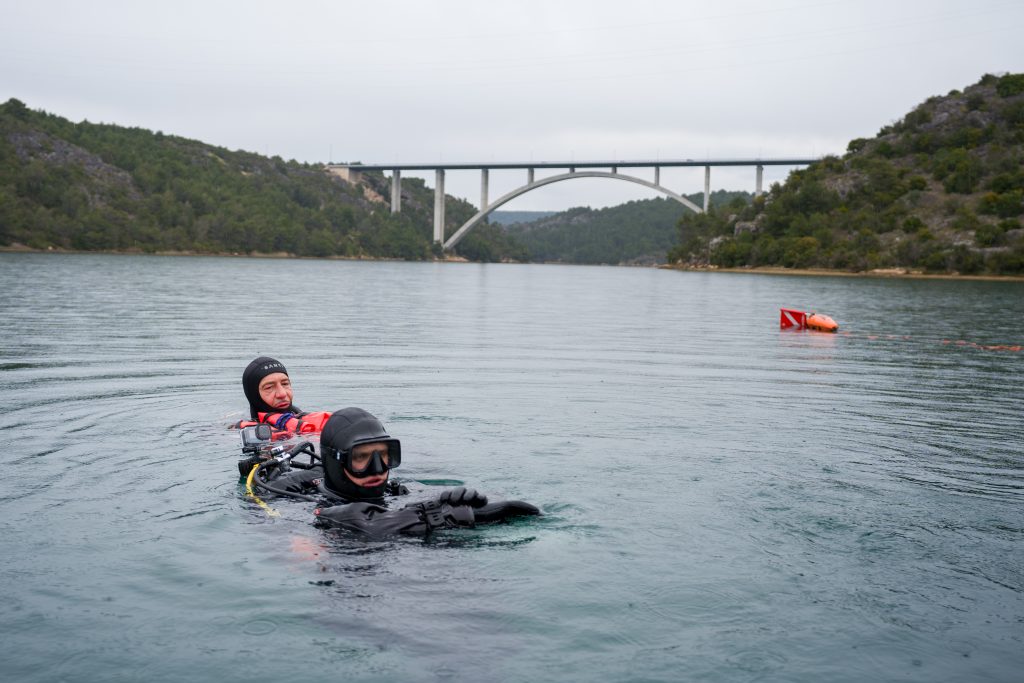
The WWF Adria team spent the day at Prokljan Lake—a lake formed at the estuary of the Krka River and home to a rich variety of bird and fish species. Here, we collaborated with local fishers, divers, and other partners, all focused on one simple goal: finding and removing ghost gear from the lake.
Even though the lake looked calm from above, we all knew that what lies beneath often tells a different story. Lost fishing gear doesn’t simply disappear. It can remain underwater for years, silently trapping fish and other marine life.
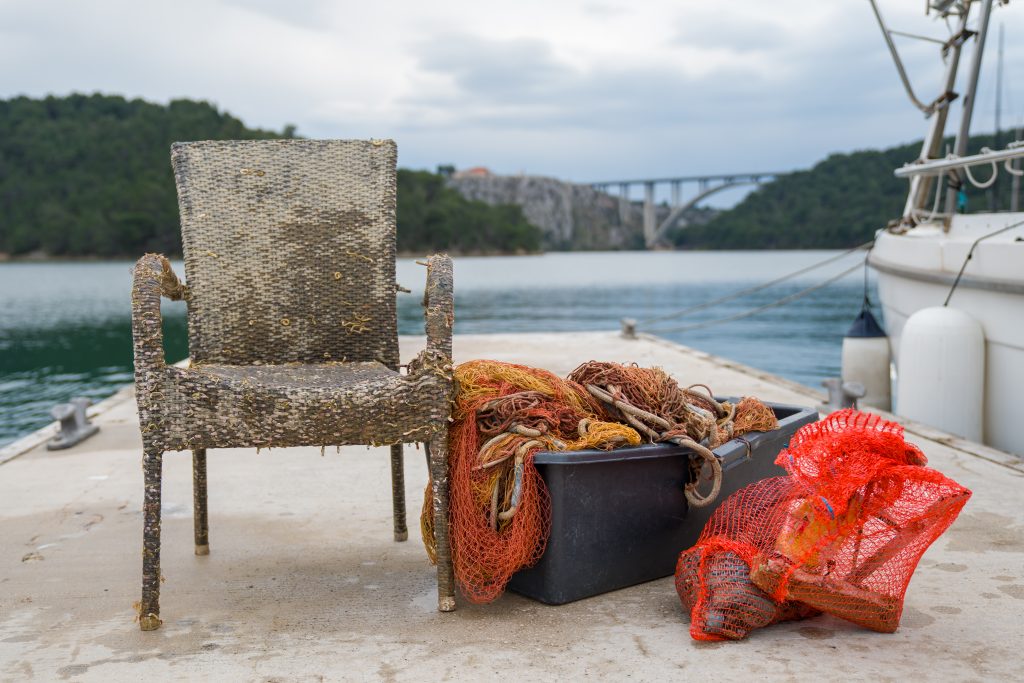
By the end of the day, we pulled out four fishing nets and three traps, along with a plastic chair and a bag of other litter found by the divers during the cleanup.
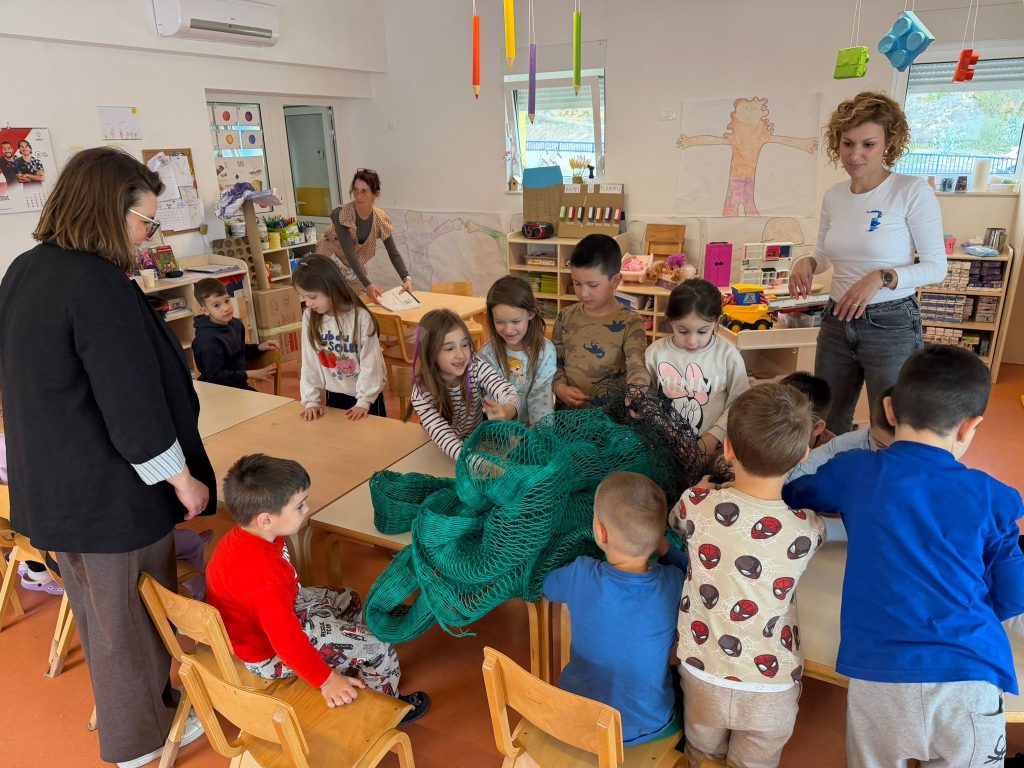
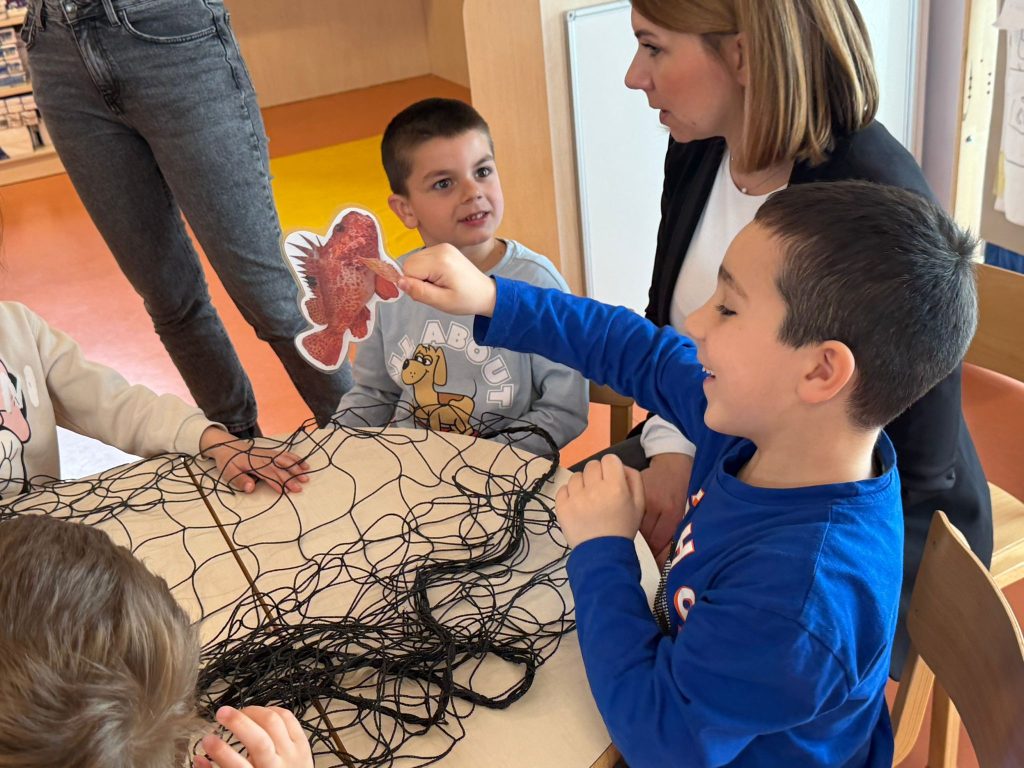
While the divers were working underwater, something equally important was happening back on land. At the Skradin kindergarten, children were learning about the sea through games, colouring, and discussion. To help them better understand the problem of ghost gear, we brought a real fishing net and invited them to help “free” the fish caught in it. This simple activity showed how lost gear continues to pose a threat to marine life.
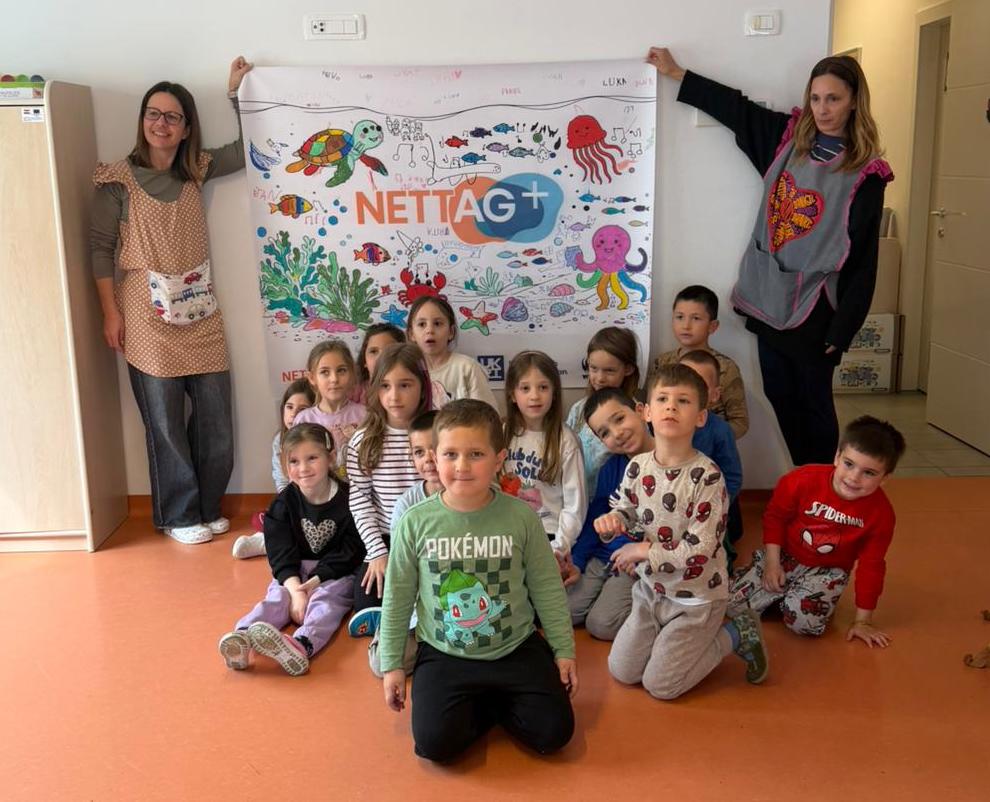
As they coloured underwater scenes, we talked about biodiversity and why it is important to protect the richness and diversity of marine life—so that the sea can remain as vibrant as in their drawings. We also spoke about recycling and, together, made bracelets from recycled fishing nets, showing how materials can be reused in creative ways.
Their questions ranged from playful to surprisingly thoughtful. One, in particular, stood out: what can they say to their parents and grandparents to help protect the sea, since their own hands still feel too small to collect a lot of marine litter?
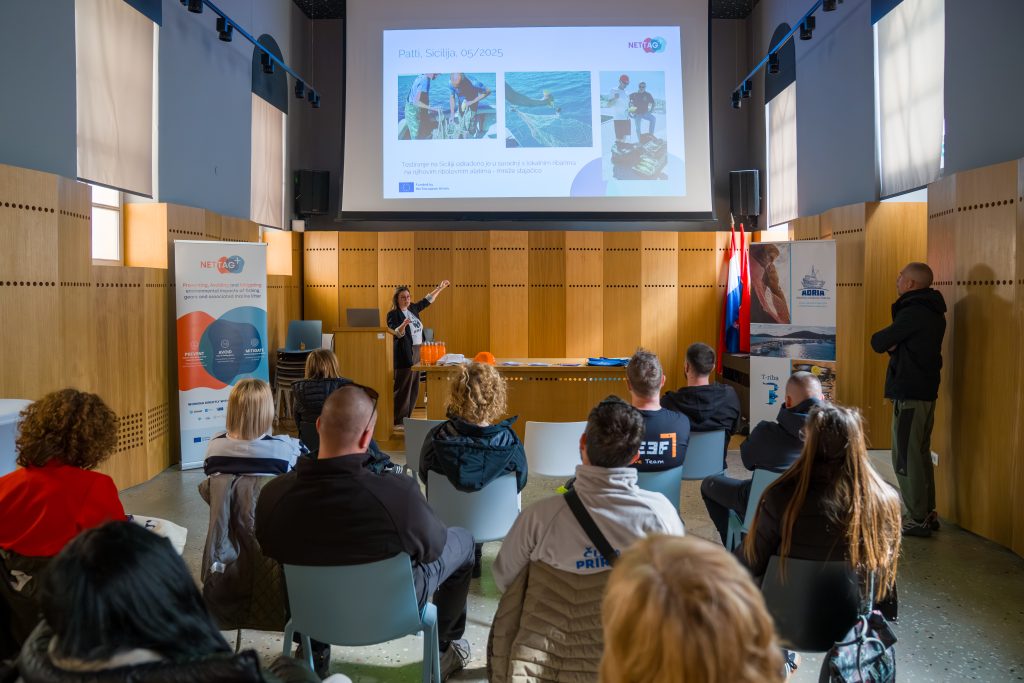
We closed the day at the local Cultural Centre, where we shared more about the NETTAG+ project and the actions we are taking together with local fishers and communities across the Mediterranean and the Atlantic to tackle marine litter and ghost gear.
This activity was organised by WWF Adria together with the Fishing Cooperative Adria, DPS Zagreb Diving Club, and the Public Institution Priroda of Šibenik‑Knin County, with the support of the City of Skradin, as part of the Horizon Europe project NETTAG+.
Fishers, divers, kids, institutions—everyone showed up, did their part, and made the day count. By working together, we are not only removing waste from the sea, but also building a stronger network of people committed to protecting our ocean for future generations.